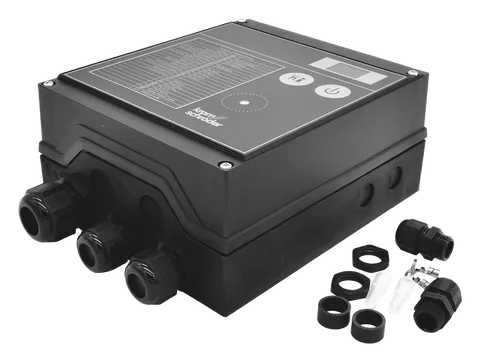
Burner lockout: what the control box is telling you
A red lamp on the burner control means it has shut the fuel off and will not start again by itself. The control already knows why. Here is how to ask it, and what the most common answers mean.
Lockout is a safety shutdown
A burner control runs a fixed programme: pre-purge, ignition, fuel on, flame check, operation. At each step it checks something. If a check fails, the control shuts the fuel valve and enters lockout. After a lockout the control does not restart by itself, and a person has to press the reset button. This is deliberate: a burner that kept retrying would pump fuel into a cold furnace.
On Siemens LMO controls the red signal lamp lights after a lockout that cannot be cleared by the control itself. The control also keeps the cause.
Reading the fault code
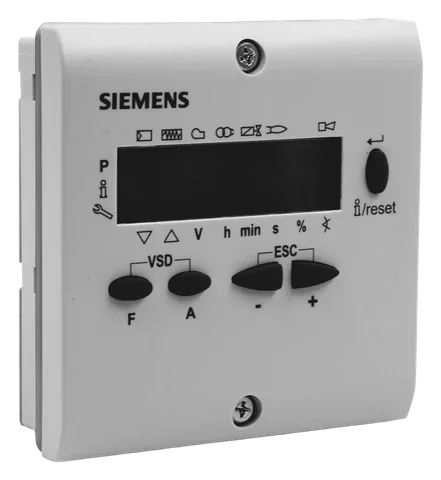
The Siemens LMO14 series manual describes the procedure. Hold the reset button for more than three seconds. The lamp then switches to visual diagnostics and shows the cause as a coded signal. The code is read from the error code table in the manual of the control. A short press of the button leaves the diagnostics. The codes differ between families of controls (LMO, LME, LMV), so use the table for the exact type printed on your control.
Do not reset the control again and again to see whether the burner will start. Read the code first: a repeated attempt does not repair a missing flame signal, and every attempt pours fuel into the furnace.
The usual causes
| At which step | What the control missed | First thing to check |
|---|---|---|
| Start | A flame signal before the fuel was on | Stray light or a sensor that reads when it should not |
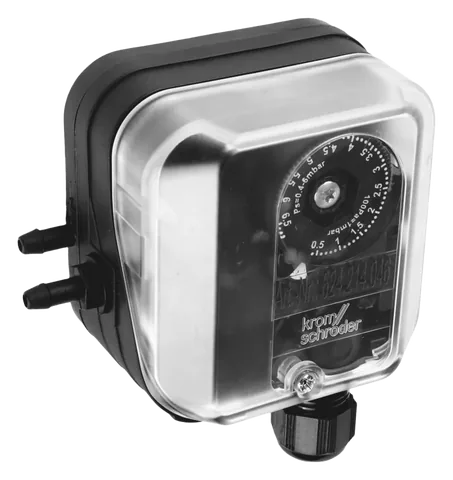
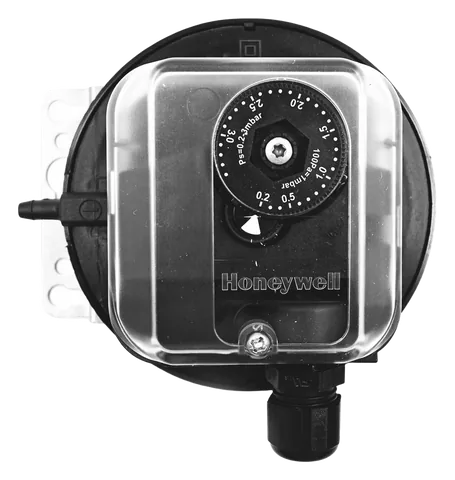
| Pre-purge | Air pressure | Air pressure switch, fan, damper |
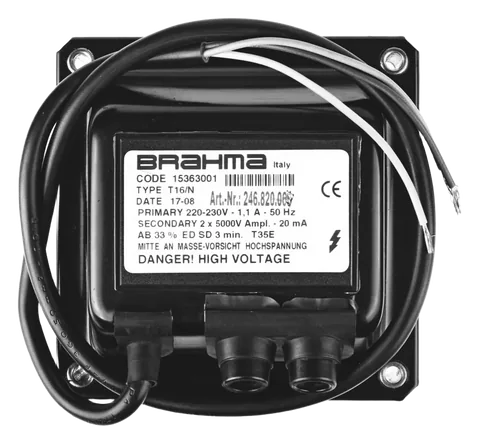
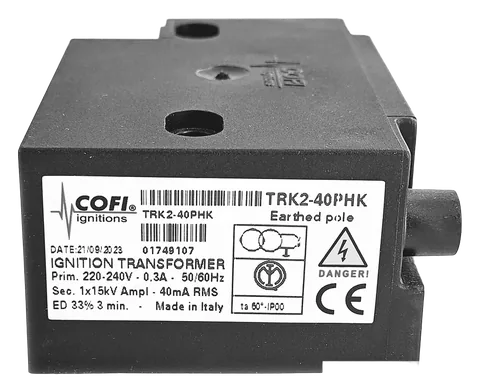
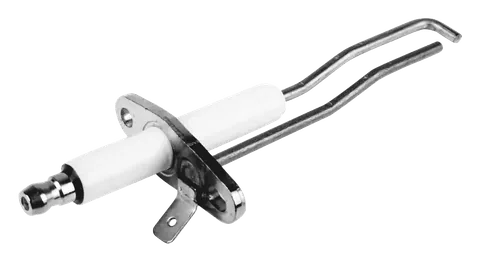
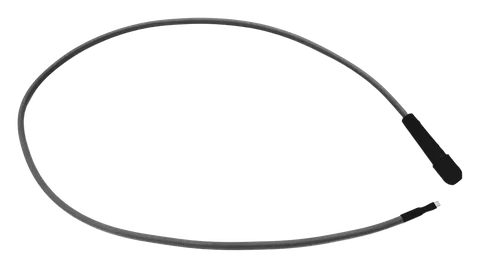
| Ignition | A spark | Ignition transformer, electrodes, cable |
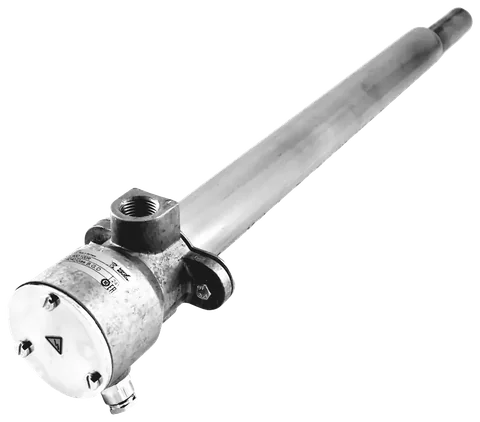
| End of the safety time | A flame signal | Fuel supply, flame sensor, its cable and position |
| Operation | Flame lost | Sensor, fuel pressure, air setting |
Most lockouts end at the safety time, with no flame signal. The cause is usually not the control: it is the fuel supply, the ignition or the sensor. Replacing a control box that works only moves the problem.
When the control itself is at fault
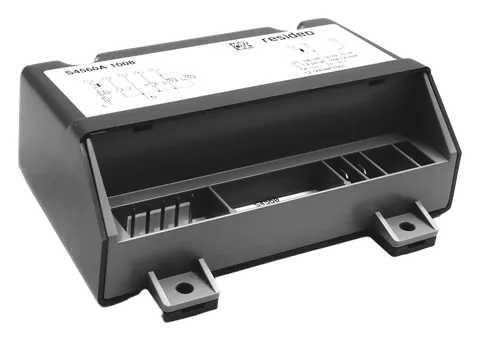
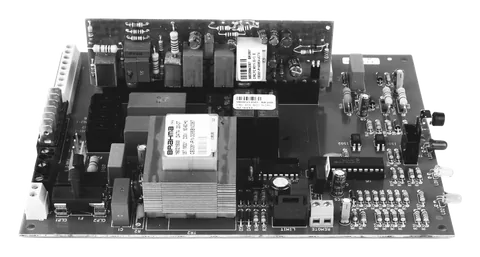
A control is the likely cause only when the fault code points at it, when the supply voltage is correct and the wiring is sound, but the control does not follow its programme, or when the housing shows signs of overheating or water. Controls are not repaired; they are replaced as a whole. Take the exact type from the nameplate. A control with the same housing and connector but a different programme or safety time will not behave the same way: LMO14, LMO24 and LMO44 look alike, but they are different devices.
Choosing a replacement
- The full type designation from the plate, including the digits after the dot.
- The supply voltage and the flame detector it is made for (see flame sensors).
- For a Baltur, Riello, Elco or other burner, the burner manufacturer's part number, which is often different from the Siemens number.
The controls we stock are in the control devices section. Work on a burner should be done by a qualified technician following the manufacturer's manual.
Sources: Siemens, LMO14, LMO24, LMO44 oil burner controls, data sheet CC1N7130en and operating instructions; Siemens, LME gas burner controls, data sheet.