No spark at the burner: ignition transformer, cable and electrodes
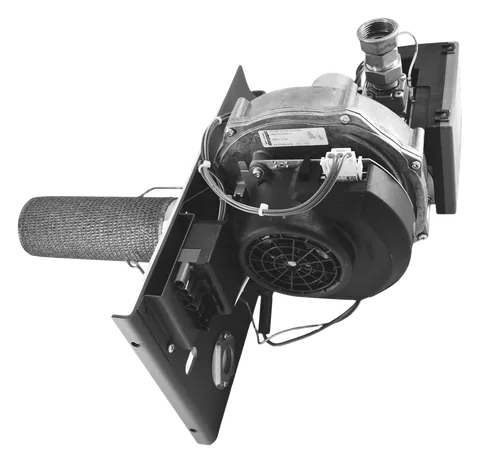
A burner that purges, opens the fuel and then locks out without a flame often has no spark. The spark path has four parts. Here is what each does and in what order to look at them.
The spark path
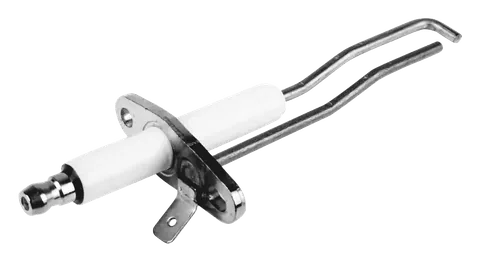
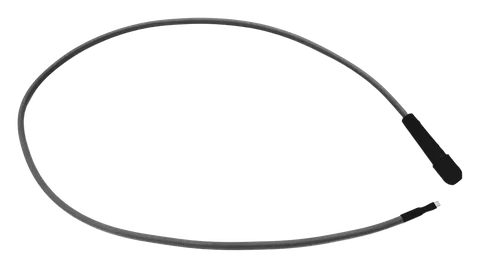
At ignition the burner control switches the ignition transformer on for a few seconds. The transformer raises the mains voltage to several thousand volts. A high-voltage cable carries it to two electrodes (or to one electrode and the burner body). The spark jumps across the gap and lights the fuel. If any of the four parts fails, the result is the same: fuel, no flame, lockout.
Two kinds of ignition unit
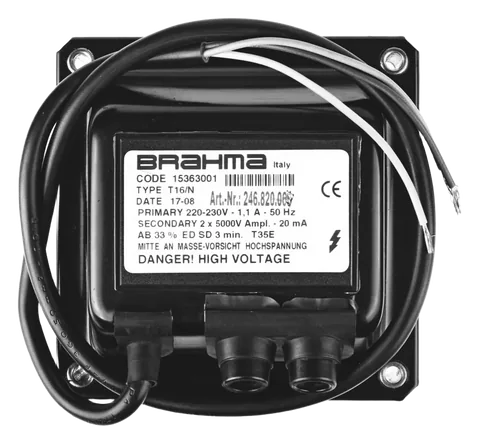
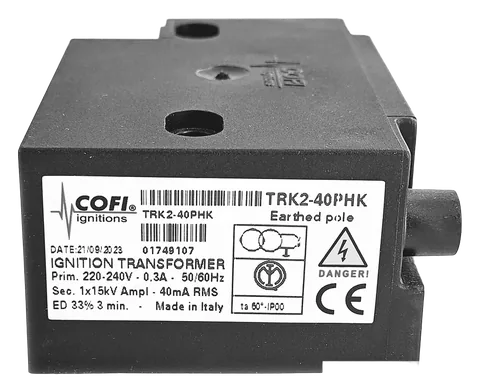
Older burners use a core transformer: a laminated core with windings in a casing filled with compound, with two high-voltage terminals on the top. Newer burners use an electronic ignition unit, which is lighter and smaller and produces a spark of a different shape. Danfoss EBI units are an example. Their data sheets list, for instance, a single-pole EBI 1P with a 12 kV secondary, and the two-pole EBI4 M rated 2 × 7.5 kV. The two types are not interchangeable without checking: the voltage, the connection and the way they are fixed to the burner differ.
Where to look, in order
- Supply to the transformer. Does the control send voltage to the ignition output at the ignition step? Without it, the transformer is not at fault.
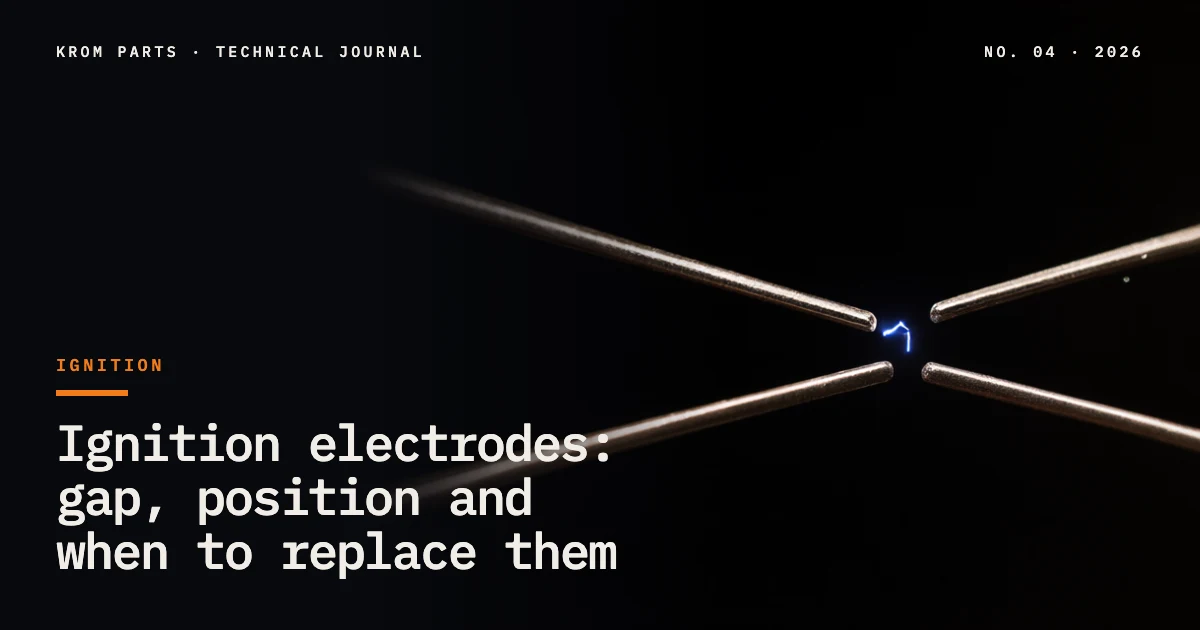
- The electrodes and their gap. The most frequent cause (see electrode gaps).
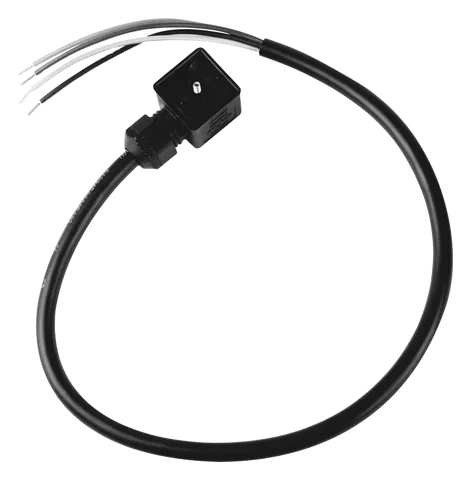
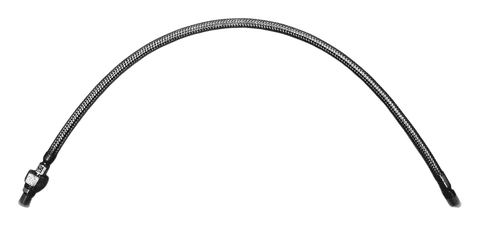
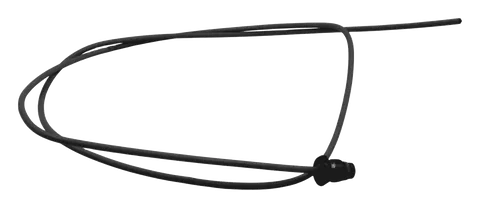
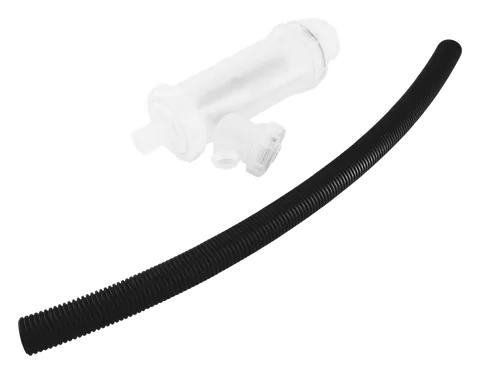
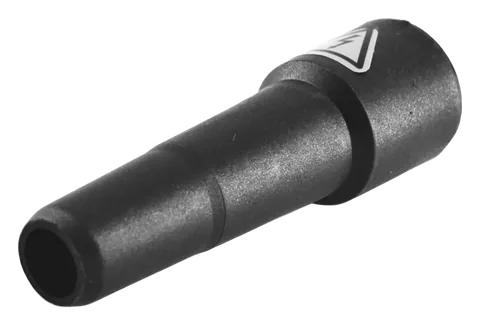
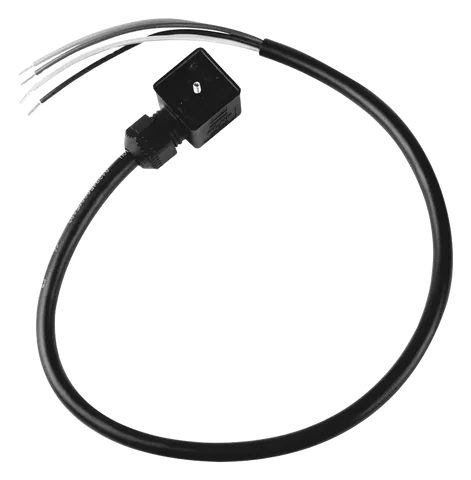
- The ignition cable and its boots. A cracked cable or a burnt boot lets the spark escape to the burner body before it reaches the electrode.
- The transformer itself. A transformer that has failed usually shows a crack in the casing, leaked compound or a burnt smell. A faint buzz without a spark points the same way.
The secondary voltage is high and the current is small, but it is not safe to touch. Testing the spark is work for a technician, with the burner manual to hand.
Choosing a replacement
- Take the type and voltage from the plate of the old unit.
- Check the number of poles: one pole (electrode to earth) or two.
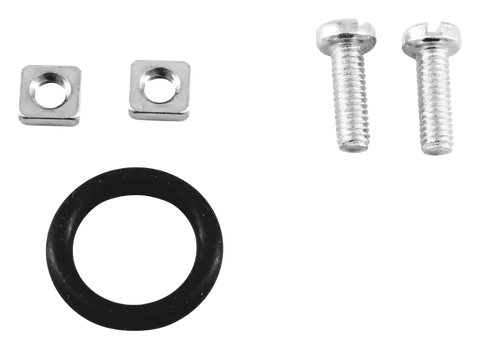
- Check the mounting: flange, holes and terminal position.
- Check the supply voltage and frequency.
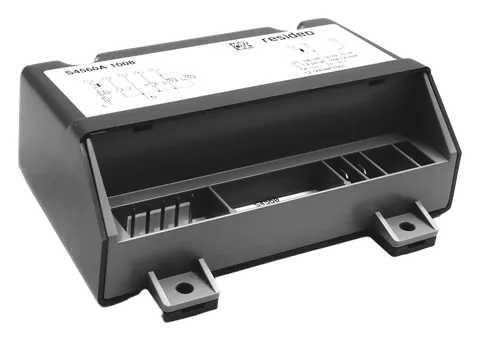
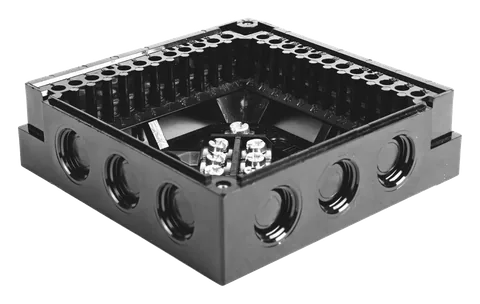
The ignition components section has transformers, igniters, electrodes and ignition cables, and cables and boots for most makes are in the wiring and cables section. If you are not sure of the part number, send us a photo of the plate.
Sources: Danfoss, EBI4 electronic ignition units, data sheet; Danfoss, EBI 1P and EBI4 M product listings; burner manufacturers' service manuals.